История05 апреля 2026 г.5 min
Когда власть заказывала искусство
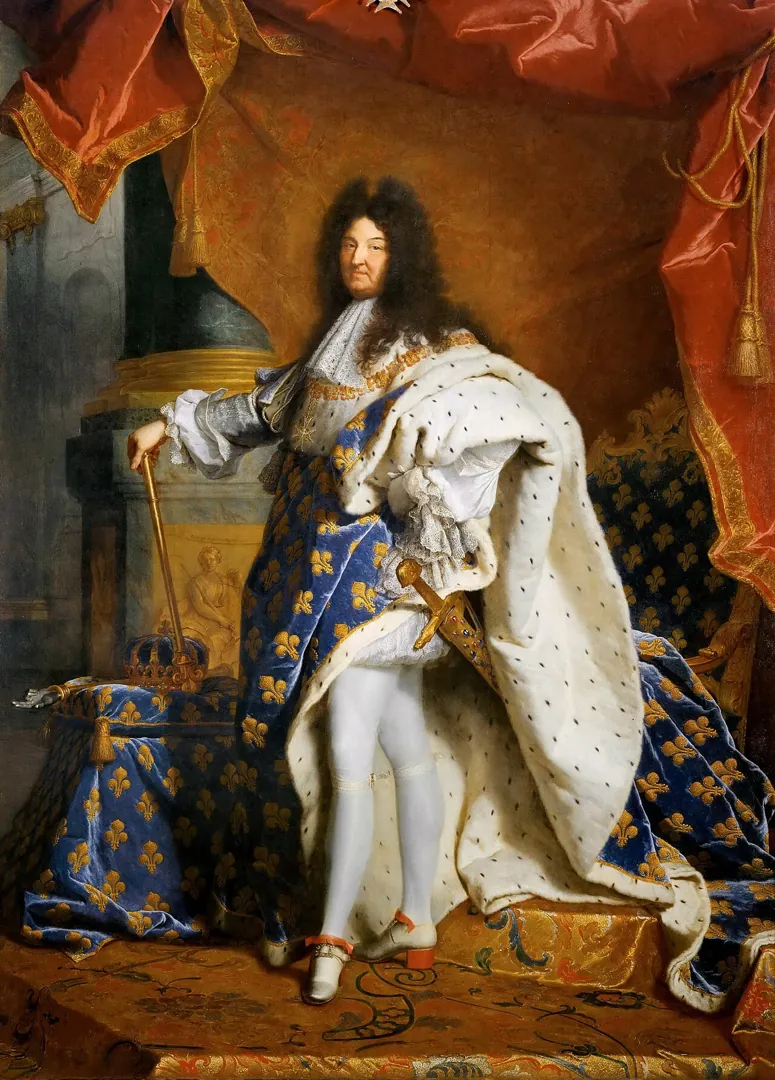
Искусство не всегда было жестом личной свободы. На протяжении веков самые известные картины и статуи рождались потому, что кто-то с большими деньгами и огромной властью решал оплатить их создание. Короли, папы и богатые купцы использовали к
Читать статьюИстория05 апреля 2026 г.5 min
Как становились художниками со времен Возрождения и позже
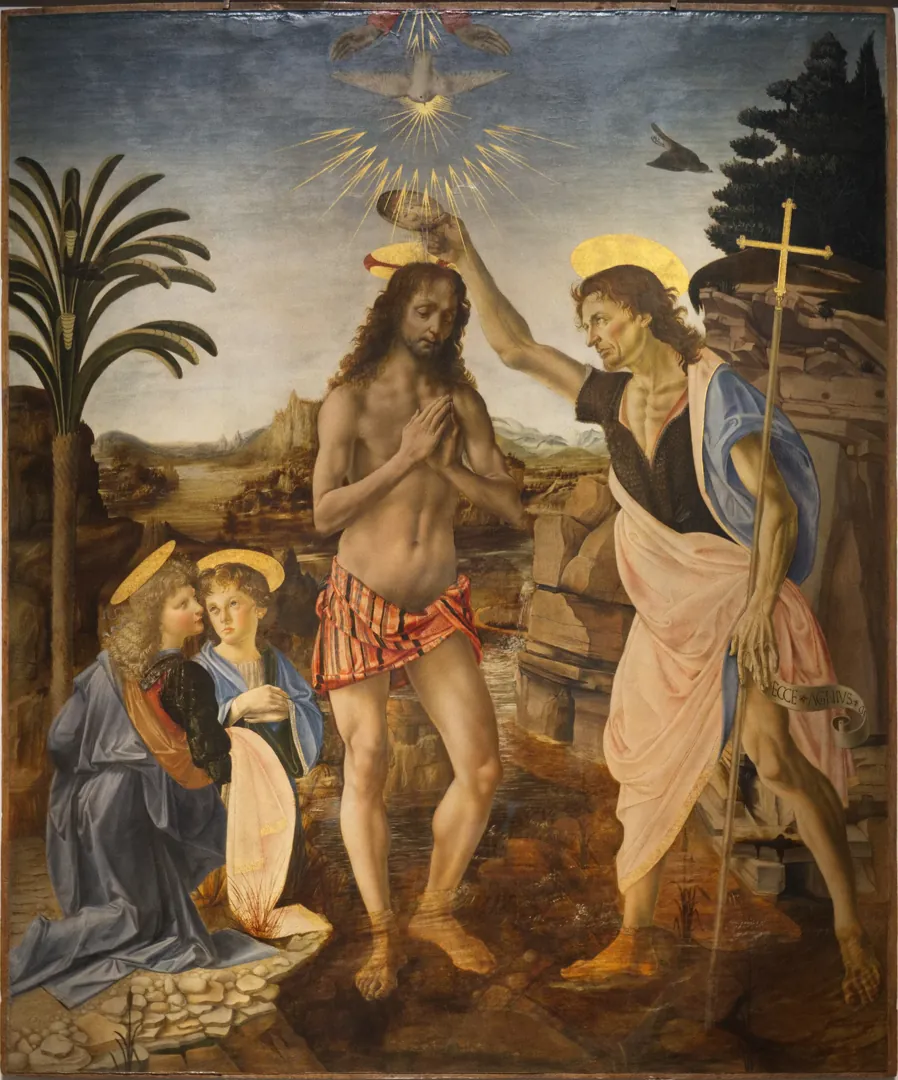
Сегодня, если вы хотите рисовать, вы покупаете краски в магазине и начинаете писать на холсте. В эпоху Возрождения все было иначе. Становление художника было долгим и трудным путем, во многом похожим на обучение плотника или кузнеца. В этой
Читать статьюЭлементыСерия: Элементы05 апреля 2026 г.5 min
Основные элементы картины
Кажется, что смотреть на картину — это естественно. Мы входим в зал, наши глаза останавливаются на холсте, и мы сразу решаем, нравится он нам или нет. Но смотреть — не значит видеть. Видение — это навык, который приобретается с практикой.
Читать статьюЭлементыСерия: Элементы05 апреля 2026 г.5 min
Цвет: гармония, трение, температура
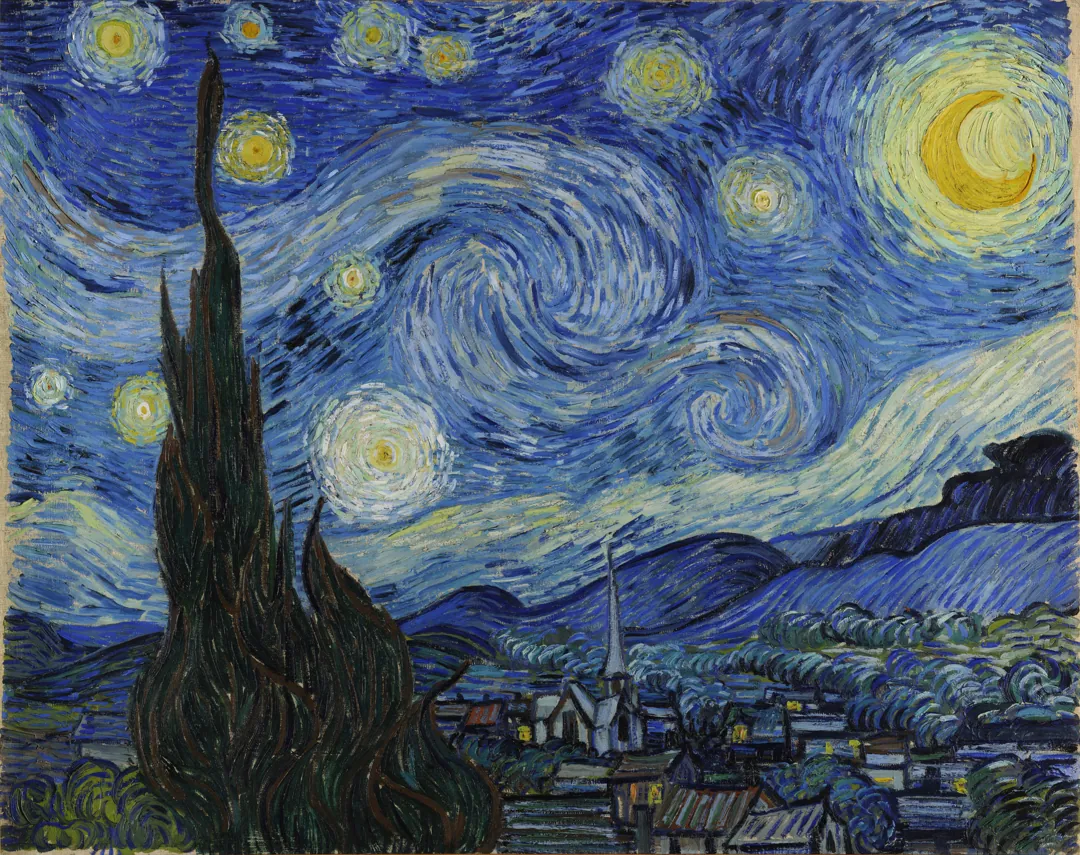
Цвет — это не просто украшение на холсте. Это живая сила, которая направляет наш взгляд и меняет настроение. Мы часто думаем, что сочетание цветов — лишь вопрос вкуса, но существуют четкие правила, объясняющие, почему одни комбинации нас ра
Читать статьюЭлементыСерия: Элементы05 апреля 2026 г.5 min
Свет, тон и контраст
Смотреть на картину — всё равно что войти в тёмную комнату с фонариком. Мы не видим всё сразу. Наш глаз ищет самые яркие точки, а затем перемещается к теням. Художники используют свет, тон и контраст, чтобы направлять наши шаги по этому виз
Читать статьюЭлементыСерия: Элементы05 апреля 2026 г.4 min
Абсолютная ясность против относительной ясности
Рассматривать картину кажется простым действием. Мы открываем глаза и видим фигуры. Тем не менее то, как художник организует эти фигуры, полностью меняет наше восприятие. Одни живописцы хотят, чтобы каждая деталь была видна сразу. Другие пр
Читать статьюЭлементыСерия: Элементы05 апреля 2026 г.5 min
Множественность против единства
Смотреть на картину — это не просто разглядывать краски на холсте. Это понимание того, как части соединяются друг с другом. Некоторые художники предпочитают, чтобы каждая деталь была четкой и обособленной. Другие же хотят, чтобы всё сливало
Читать статьюЭлементыСерия: Элементы05 апреля 2026 г.4 min
Закрытая форма против открытой формы
Представьте, что вы смотрите на фотографию, где всё в полном порядке. Главные герои находятся в центре, и ничто не выходит за края кадра. А теперь представьте сцену из боевика, где рука героя исчезает за границей экрана, и вы чувствуете, чт
Читать статьюЭлементыСерия: Элементы05 апреля 2026 г.5 min
Плоскостность против глубины
Смотреть на картину — не значит просто разглядывать рисунок. Это значит понимать, как художник решил организовать пространство перед нами. Представьте, что перед вами ряд наложенных друг на друга стеклянных листов или бесконечный туннель, з
Читать статьюЭлементыСерия: Элементы05 апреля 2026 г.4 min
Линейность против живописности
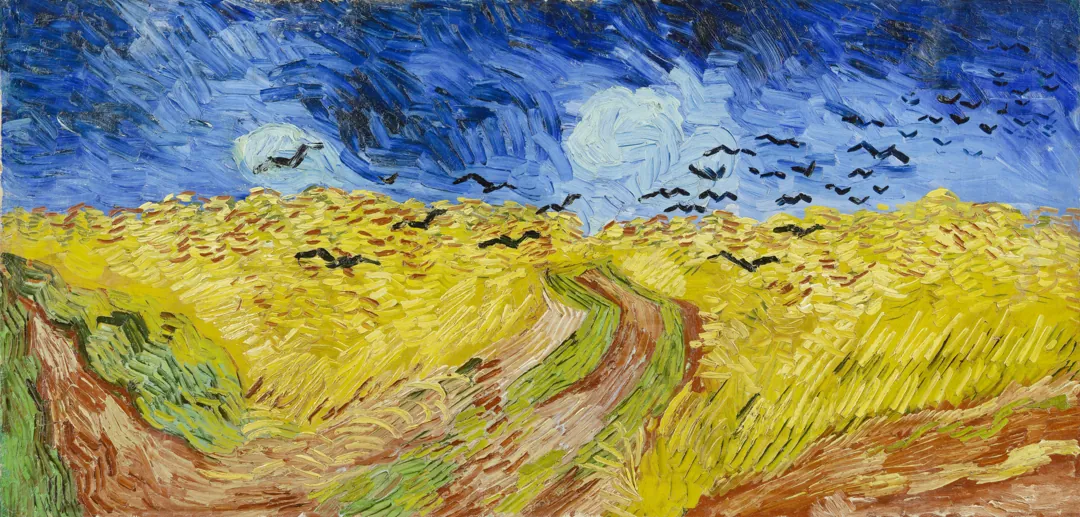
Смотреть на картину — значит не просто узнавать то, что на ней изображено. Это значит понимать, как она была создана. Существует два противоположных способа художественного освоения реальности: четкий рисунок и цветовое пятно. Искусствовед
Читать статью