Основные элементы картины
Кажется, что смотреть на картину — это естественно. Мы входим в зал, наши глаза останавливаются на холсте, и мы сразу решаем, нравится он нам или нет. Но смотреть — не значит видеть. Видение — это навык, который приобретается с практикой.
Представьте, что перед вами коробка с пазлами. Если вы попытаетесь собрать их, не глядя на картинку на упаковке, вам будет очень трудно. Основные элементы картины подобны деталям пазла: если вы научитесь их узнавать, всё изображение внезапно станет ясным. В этой статье вы откроете для себя три столпа, на которых держится любое произведение искусства.
Композиция: невидимая архитектура
Композиция — это то, как художник располагает объекты и людей в пространстве холста. Это никогда не бывает случайным. Автор решает, куда вы должны смотреть и в каком порядке.
Представьте режиссера, который расставляет актеров на сцене. Если он ставит главного героя в центр, он хочет, чтобы вы сосредоточились на нем. Если он помещает его в угол, он хочет создать ощущение одиночества или ожидания. Композиция — это сетка, которая удерживает вместе всё визуальное повествование.
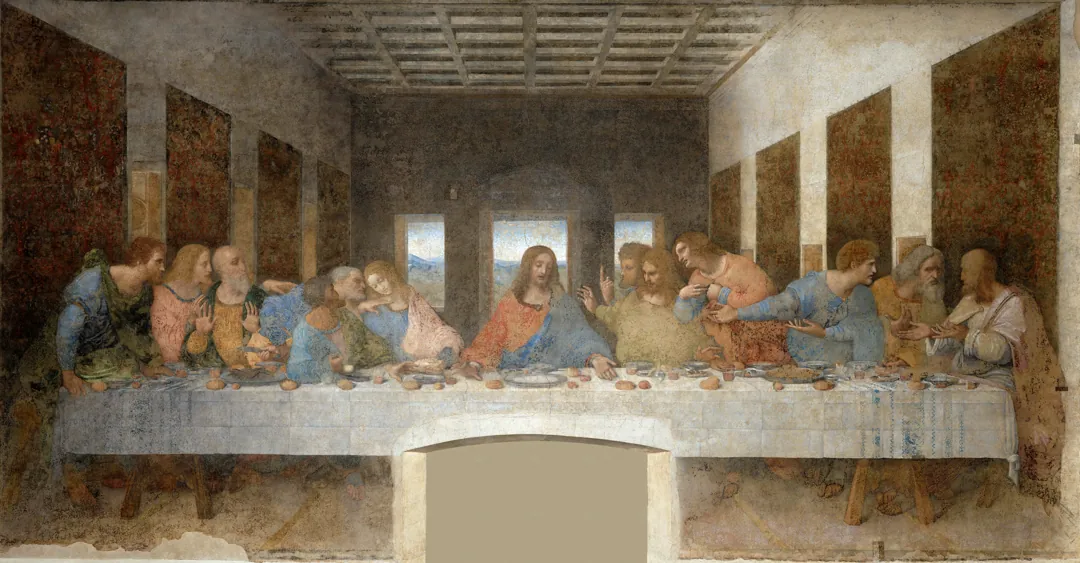
Идеальный пример — «Тайная вечеря» Леонардо да Винчи (1495–1498, Санта-Мария-делле-Грацие, Милан). Леонардо использует перспективу, чтобы свести все линии к голове Христа. Христос — это точный центр картины. Даже если вокруг много других персонажей, которые двигаются и разговаривают, ваш взгляд всегда будет возвращаться к Нему. Композиция говорит вам, кто здесь главный герой, без лишних слов.
Главное в том, что композиция создает порядок в хаосе визуального восприятия.
Свет: режиссура эмоций
Свет в картине служит не только для освещения фигур. Он придает телам объем и создает атмосферу сцены. Без света мы бы не видели глубины.
Представьте, что вы находитесь в темной комнате с фонариком. Если вы направите фонарик снизу на свое лицо, вы будете похожи на монстра. Если включите его над головой, вы будете выглядеть как обычный человек под солнцем. Художники используют свет точно так же, как этот фонарик, чтобы изменить смысл того, что они пишут.
Возьмем «Призвание апостола Матфея» Караваджо (1599–1600, Сан-Луиджи-деи-Франчези, Рим). Здесь свет падает не из настоящего окна, а врывается справа, подобно острому лезвию. Он освещает только некоторые лица и оставляет остальное в полной темноте. Этот свет не естественный, он символический: он олицетворяет Божий призыв, прорезающий тьму повседневной жизни.
Помните: свет решает, что важно, а что должно оставаться скрытым.
Цвет: язык чувств
Цвет — это элемент, который быстрее всего воздействует на наши чувства. Каждый цвет несет в себе разный вес и теплоту. Теплые цвета, такие как красный, кажутся приближающимися к нам, в то время как холодные, такие как синий, — удаляющимися.
Думайте о цвете как о музыке в фильме. Сцена любви под рок-музыку произвела бы странное впечатление. Точно так же луг, написанный огненно-красным цветом, передает иную энергию, чем ярко-зеленый.
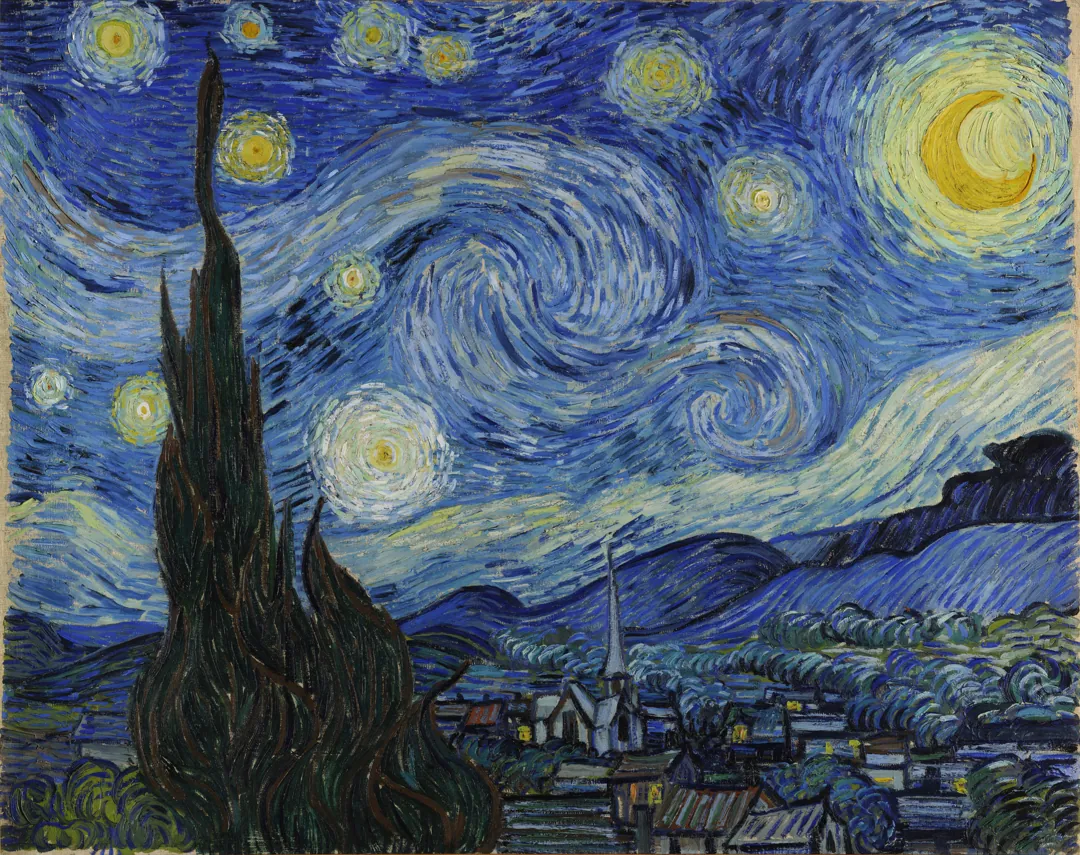
Яркий пример — «Звездная ночь» Винсента Ван Гога (1889, MoMA, Нью-Йорк). Ван Гог использует глубокий синий для неба и насыщенный желтый для звезд. Эти два цвета противоположны и создают сильнейший контраст. Синий дает нам ощущение бесконечности и меланхолии, в то время как желтый цвет звезд кажется взрывающимся, как маленькие костры. Цвет здесь не описывает реальность, он описывает то, что чувствует художник.
Цвет — это самый мощный инструмент для прямой передачи эмоций.
Почему для понимания картины недостаточно таланта
Многие люди думают, что для понимания искусства нужен особый дар или многолетнее академическое обучение. Часто говорят: «Я в этом ничего не понимаю, я просто смотрю».
На самом деле красота картины подобна замку. Элементы, которые мы рассмотрели (композиция, свет и цвет), — это ключи. Не нужно быть слесарем, чтобы открыть дверь, достаточно иметь подходящий ключ и знать, как его повернуть. Когда вы перестаете искать скрытый смысл и начинаете наблюдать за тем, как расположены фигуры или откуда падает свет, картина начинает говорить с вами.
Доказательством служит то, что эти элементы работают, даже если вы не знаете историю художника. Ваш разум естественным образом реагирует на линии и световые контрасты.
Что взять с собой
Чтобы натренировать свой взгляд, вспомните об этих трех пунктах в следующий раз, когда увидите произведение искусства:
- Найдите главную линию: куда художник хочет вас привести?
- Следите за светом: какая деталь освещена больше всего и почему?
- Слушайте цвета: какую эмоцию они передают вам еще до того, как вы поймете сюжет?
Умение смотреть на картину — это навык, который совершенствуется каждый раз, когда вы останавливаетесь перед ней хотя бы на минуту дольше.
Практикуйтесь прямо сейчас
Вы ознакомились с методом. Теперь примените его на практике.
Упомянутые произведения
Примените на практике
Вы прочитали метод. Теперь потренируйте взгляд на реальных примерах.
Попробовать квиз ArtwithWhy