Плоскостность против глубины
Смотреть на картину — не значит просто разглядывать рисунок. Это значит понимать, как художник решил организовать пространство перед нами. Представьте, что перед вами ряд наложенных друг на друга стеклянных листов или бесконечный туннель, затягивающий внутрь. В этом и заключается разница между плоскостностью и глубиной. В этой статье вы научитесь распознавать эти два способа конструирования реальности на холсте.
Послойное пространство
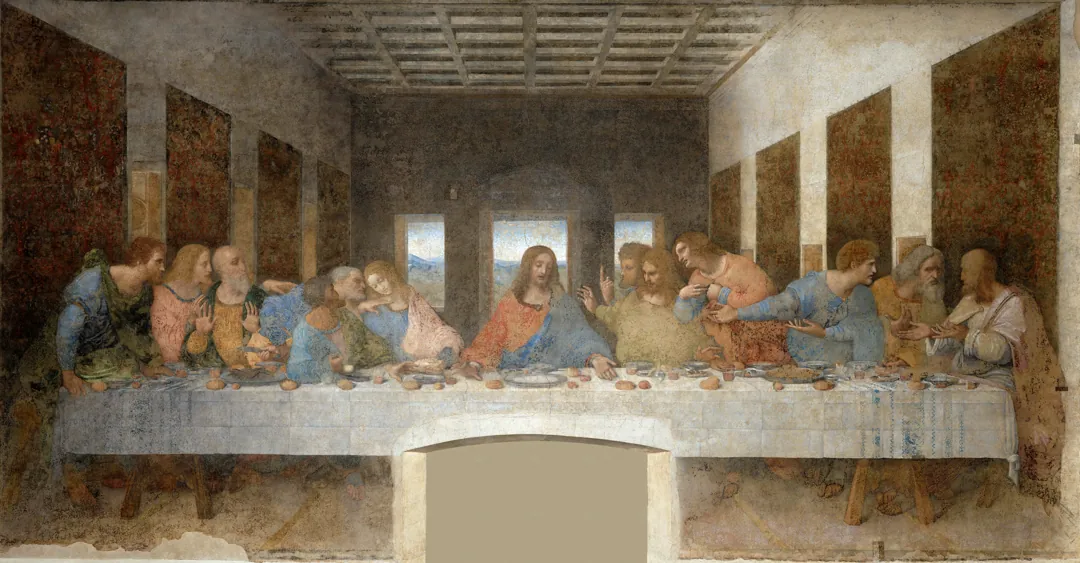
Понятие плоскостности в искусстве не означает плоскую и безжизненную поверхность. Речь идет о четком порядке. Художник организует фигуры так, будто они находятся на нескольких параллельных планах. Каждый элемент стоит на своем месте, не вторгаясь в пространство других.
Вспомните парад или античный фриз. Фигуры движутся вдоль горизонтальной линии. Даже если персонажей много, наш взгляд скользит справа налево или наоборот. Мы не чувствуем необходимости проникать вглубь произведения, потому что всё самое важное упорядоченно распределено перед нашими глазами.
Идеальный пример — «Тайная вечеря» Леонардо да Винчи (1495–1498, трапезная Санта-Мария-делле-Грацие, Милан). Апостолы расположены вдоль стола. Хотя за ними и видна комната, наше внимание остается прикованным к этой горизонтальной полосе. Всё сбалансировано и ясно.
Пространство, прорывающее холст
Глубина — это противоположность послойному порядку. Здесь художник хочет, чтобы ваш взгляд устремился вдаль. Вы больше не смотрите справа налево, а переводите взор от ближнего плана к дальнему. Кажется, что пространство пробивает стену и приглашает вас войти.
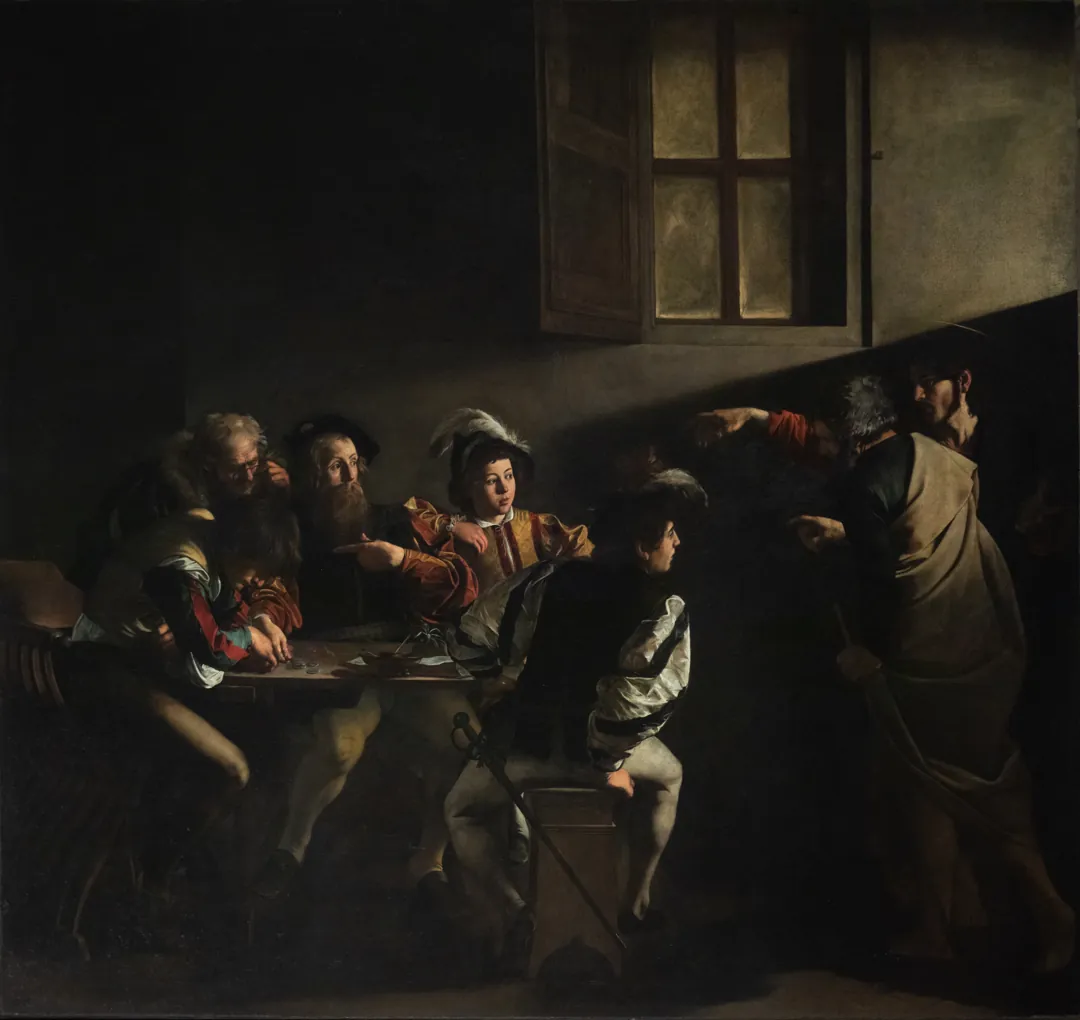
Представьте, что вы смотрите на длинную дорогу, исчезающую за горизонтом. Чтобы создать такой эффект, художники используют резкие диагонали и внезапные вспышки света. Фигуры больше не расставлены ровными рядами — они переплетаются и движутся вглубь.
Возьмем в качестве примера «Призвание апостола Матфея» Караваджо (1599–1600, Сан-Луиджи-дей-Франчези, Рим). Свет падает сбоку и разрезает пространство по диагонали. Мы видим не упорядоченную очередь людей, а динамичный момент, который затягивает нас в сцену. Пространство здесь — это не стена, а глубокий объем.
Почему эта разница важна
Многие думают, что глубина — это просто технический прогресс, будто мастерам прошлого не хватало навыка, чтобы передать объем. Это не так. Выбор между плоскостностью и глубиной — это осознанное стилистическое решение.
Плоскостность передает стабильность, спокойствие и ясность. Это характерно для эпохи Возрождения, когда человек стремился упорядочить мир с помощью разума. Глубина передает движение, эмоции и тайну. Это типично для барокко, где искусство стремилось поразить и драматично вовлечь зрителя.
Если меняется способ построения пространства, меняется и посыл произведения. Плоская картина предлагает вам наблюдать со стороны. Глубокая картина призывает вас стать участником действия.
Часто задаваемый вопрос
Часто спрашивают: всегда ли картина с перспективой является глубокой? Ответ — нет. Даже полотно с идеальной перспективой может быть построено по планам (слоям). Разница заключается в движении, которое художник предлагает вашим глазам. Если персонажи замкнуты внутри параллельных слоев, эффект остается плоскостным. Настоящая глубина возникает тогда, когда формы разрушают эти границы и связывают ближний план с дальним.
Что стоит запомнить
Умение смотреть — это навык, который тренируется. В следующий раз, когда окажетесь перед произведением искусства, попробуйте сделать следующее:
- Мысленно проведите горизонтальные линии: видите ли вы упорядоченные ряды? Если да, то перед вами плоскостное построение.
- Ищите диагонали: чувствуете ли вы, что взгляд подталкивают вглубь? Значит, это глубина.
- Спросите себя, что вы чувствуете: спокойствие или напряжение?
Чтобы подробнее узнать о том, как художники направляют ваш взгляд, прочитайте нашу статью о диагональной композиции.
Практикуйтесь сейчас
Вы ознакомились с методом. Теперь примените его на практике: попробуйте отличить строгий порядок от динамичного движения вглубь.
Упомянутые произведения
Примените на практике
Вы прочитали метод. Теперь потренируйте взгляд на реальных примерах.
Попробовать квиз ArtwithWhy