Когда власть заказывала искусство
Искусство не всегда было жестом личной свободы. На протяжении веков самые известные картины и статуи рождались потому, что кто-то с большими деньгами и огромной властью решал оплатить их создание. Короли, папы и богатые купцы использовали красоту, чтобы заявить миру о том, кто они такие и насколько они значимы. Поэтому смотреть на старинное произведение — значит читать четкое политическое послание. В этой статье мы узнаем, как власть использовала искусство для самовосхваления и как мы можем распознать эти сигналы сегодня.
Искусство как зеркало власти
Власти нужно быть видимой, чтобы существовать на самом деле. Представьте короля, который хочет показать свою силу народу, никогда не видевшему его вживую. Он не может использовать социальные сети, поэтому использует мрамор и краски. Искусство становится мегафоном, увеличивающим фигуру правителя.
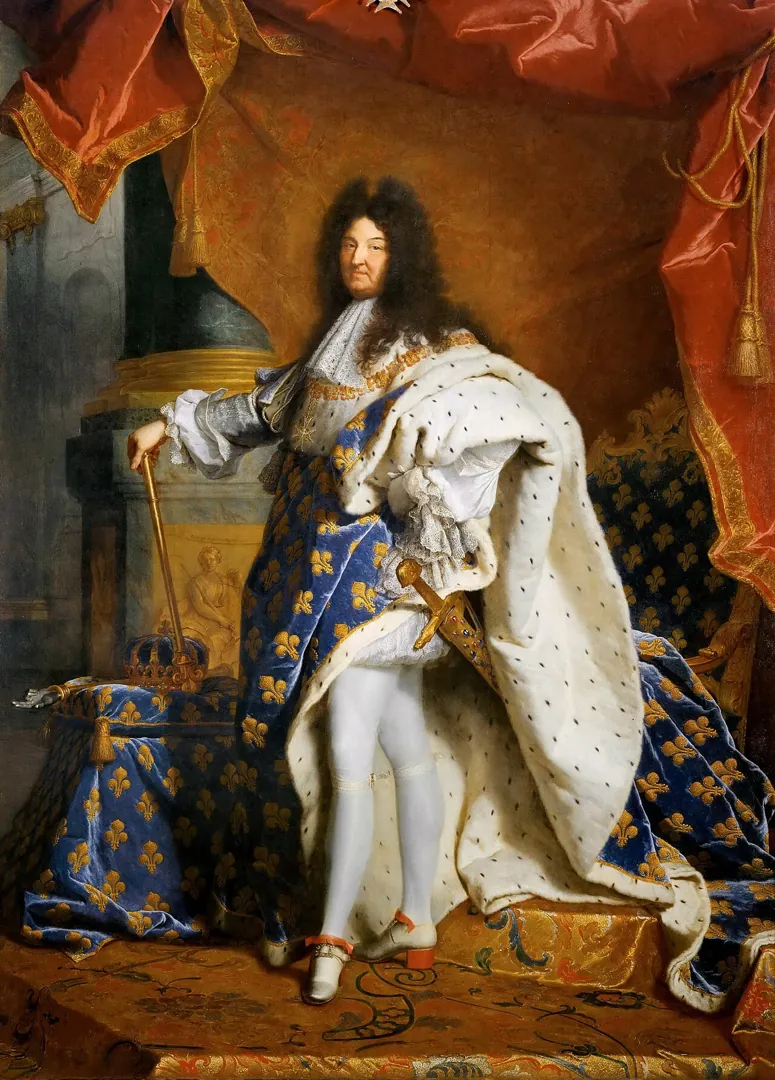
Идеальный пример — «Портрет Людовика XIV», Короля-солнца, написанный Гиацинтом Риго в 1701 году. На этой картине король — не просто человек. Он окружен драгоценными тканями, на нем корона, а в руке он держит скипетр. Каждая деталь говорит о том, что он — центр государства. Картина служит напоминанием любому зрителю, что власть короля абсолютна и дарована Богом. Произведение создано не для того, чтобы показать, как монарх выглядел на самом деле, а для того, чтобы запечатлеть образ, в котором он хотел остаться в памяти.
Прославление ради контроля
Заказ произведения искусства был также способом переписать историю в свою пользу. Когда генерал выигрывал битву, он приказывал воздвигнуть триумфальную арку или написать героическую сцену. Это служило визуальной пропагандой: изображение убеждало народ, что этот лидер — единственный, кто способен защитить нацию.
Вспомните колонну Траяна в Риме. Это длинное повествование, высеченное в камне, которое спиралью обвивает высочайший столб. Она рассказывает о войнах императора Траяна против даков. Это не просто памятник, это каменный документальный фильм. Он говорит о том, что империя сильна, организована и непобедима. Тот, кто смотрел на колонну, испытывал восхищение и в то же время понимал: императору лучше не бросать вызов.
Когда художник ломает шаблон
Иногда художники не ограничивались простым послушанием. Даже работая по заказу власти, они умудрялись вложить в произведение иное, более человечное видение. Это случалось, когда талант мастера превосходил требования заказчика. В таких случаях произведение перестает быть просто пропагандой и становится шедевром, понятным каждому.
Диего Веласкес был придворным художником короля Испании. На своей картине «Менины» (1656) он изображает королевскую семью, но делает это необычным образом. Король и королева видны лишь в отражении зеркала в глубине комнаты. В центре же находятся слуги, маленькая инфанта и сам художник за работой. Веласкес соблюдает волю короля, но смещает акцент на «закулисье» власти. Он показывает нам, что даже монархи являются частью выстроенной сцены.
Исчезла ли власть сегодня?
Многие думают, что сегодня искусство свободно, потому что больше нет королей, платящих придворным живописцам. На самом деле власть лишь сменила облик. Сегодня крупные корпорации, правительства или знаменитые коллекционеры решают, что ценно, а что нет. Вопрос остается прежним: кто платит за это послание и зачем он это делает?
Умение видеть, кто стоит за произведением, помогает нам не быть пассивными зрителями. Когда вы смотрите на памятник на площади или на огромный мурал, профинансированный брендом, всегда спрашивайте себя: о чем они хотят заставить вас думать? Искусство — это мощный инструмент: тот, кто его контролирует, контролирует и часть нашего взгляда на мир.
Примените на практике сейчас
Вы прочитали о том, как власть использует изображения. Теперь попробуйте проанализировать их сами. В следующий раз, когда будете проходить мимо памятника в вашем городе, остановитесь на минуту. Не смотрите только на форму. Спросите себя: кто захотел поставить этот памятник? Какую идею силы или красоты он должен передать? Если вы измените вопрос, изменится и всё, что вы видите.
Упомянутые произведения
Примените на практике
Вы прочитали метод. Теперь потренируйте взгляд на реальных примерах.
Попробовать квиз ArtwithWhy