Абсолютная ясность против относительной ясности
Рассматривать картину кажется простым действием. Мы открываем глаза и видим фигуры. Тем не менее то, как художник организует эти фигуры, полностью меняет наше восприятие. Одни живописцы хотят, чтобы каждая деталь была видна сразу. Другие предпочитают оставлять нас в сомнении, показывая лишь часть реальности. Историк искусства Генрих Вёльфлин назвал этот выбор между абсолютной и относительной ясностью фундаментальным. Понять это различие — значит научиться читать секретный язык композиции.
Абсолютная ясность: всё под контролем
Абсолютная ясность рождается из стремления к порядку. В таких произведениях каждый объект и каждый персонаж определены с предельной точностью. Контуры четкие, а свет освещает каждый уголок сцены. Здесь нет теневых зон, скрывающих секреты.
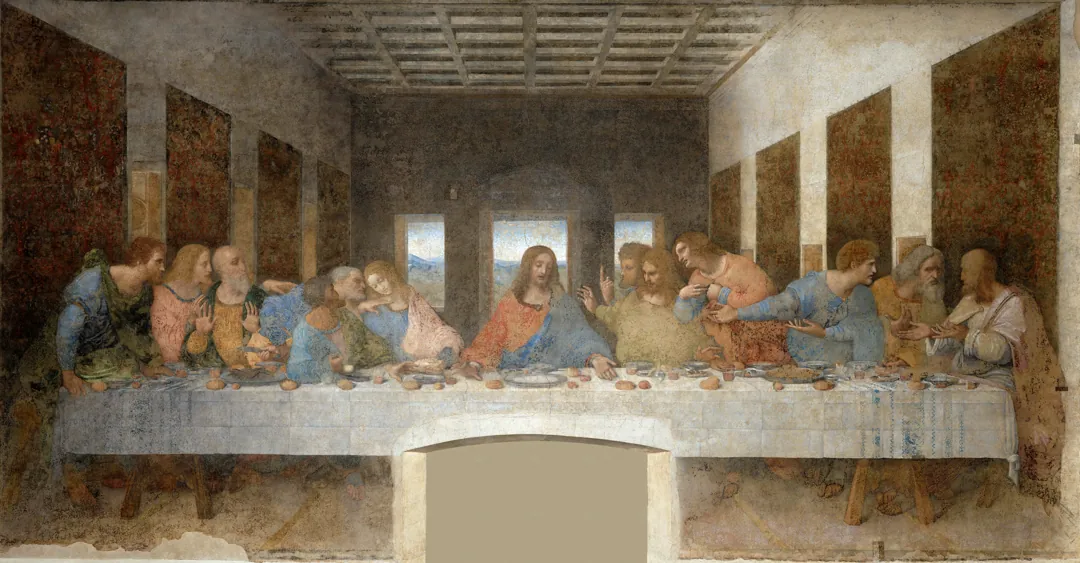
Представьте, что вы смотрите на комнату в полдень с широко распахнутыми окнами. Вы отчетливо видите каждый угол мебели и каждый оттенок. Это то ощущение, которое передает Ренессанс. Идеальный пример — «Тайная вечеря» Леонардо да Винчи. Даже несмотря на повреждения росписи, её структура предельно ясна. Каждый апостол занимает строго определенное пространство. Перспектива ведет нас прямо к центру, к лицу Христа. Ничто не оставлено на волю случая или воображения.
В таких работах полная читаемость возведена в правило. Художник хочет, чтобы послание дошло до зрителя громко и четко, без отвлекающих факторов.
Относительная ясность: очарование тени
Относительная ясность работает противоположным образом. Здесь художник не стремится показать нам всё. Напротив, он использует тьму и контролируемый беспорядок для создания эмоций. Формы больше не имеют четких контуров и словно сливаются с окружением.
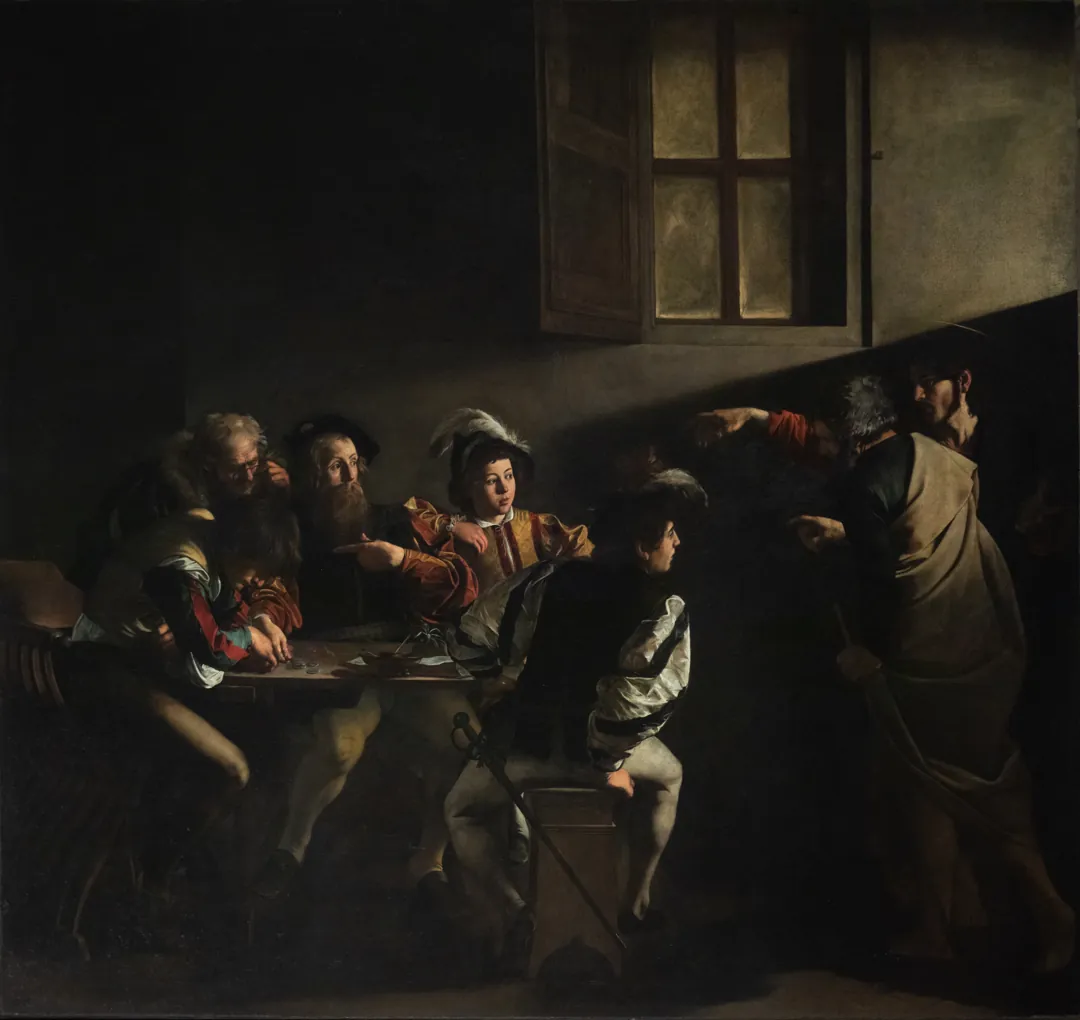
Представьте себе зажженную свечу в темной комнате. Вы хорошо видите только то, что находится рядом с пламенем, в то время как остальное исчезает в черноте. Это стиль барокко. Знаменитый пример — «Призвание апостола Матфея» Караваджо. Резкий свет прорезает сцену, но оставляет большую часть комнаты в темноте. Мы не видим всего отчетливо, но чувствуем драматизм момента.
В данном случае отклонение от правила служит для вовлечения зрителя. Неоднозначность заставляет нас напрягать зрение и ум, чтобы достроить образ.
Почему это различие важно для вас
Вы можете подумать, что абсолютная ясность лучше, потому что её легче понять. На самом деле это просто два разных инструмента для достижения разных результатов. Абсолютная ясность дарит нам уверенность и гармонию. Относительная ясность дарит нам тайну и движение.
Распространенная ошибка — думать, что художники барокко не умели хорошо рисовать контуры. Это не так. Они выбирали растушевку, чтобы передать идею того, что жизнь находится в постоянном изменении. Если вы измените свой вопрос с «что я вижу?» на «как я это вижу?», вы обнаружите, что каждая картина — это эксперимент над вашим вниманием.
Умение различать эти два стиля позволяет сразу понять намерение автора. Хочет ли он успокоить вас порядком или поразить контрастом?
Практикуйтесь прямо сейчас
Вы прочитали о методе. Теперь примените его на практике.
Упомянутые произведения
Примените на практике
Вы прочитали метод. Теперь потренируйте взгляд на реальных примерах.
Попробовать квиз ArtwithWhy