Закрытая форма против открытой формы
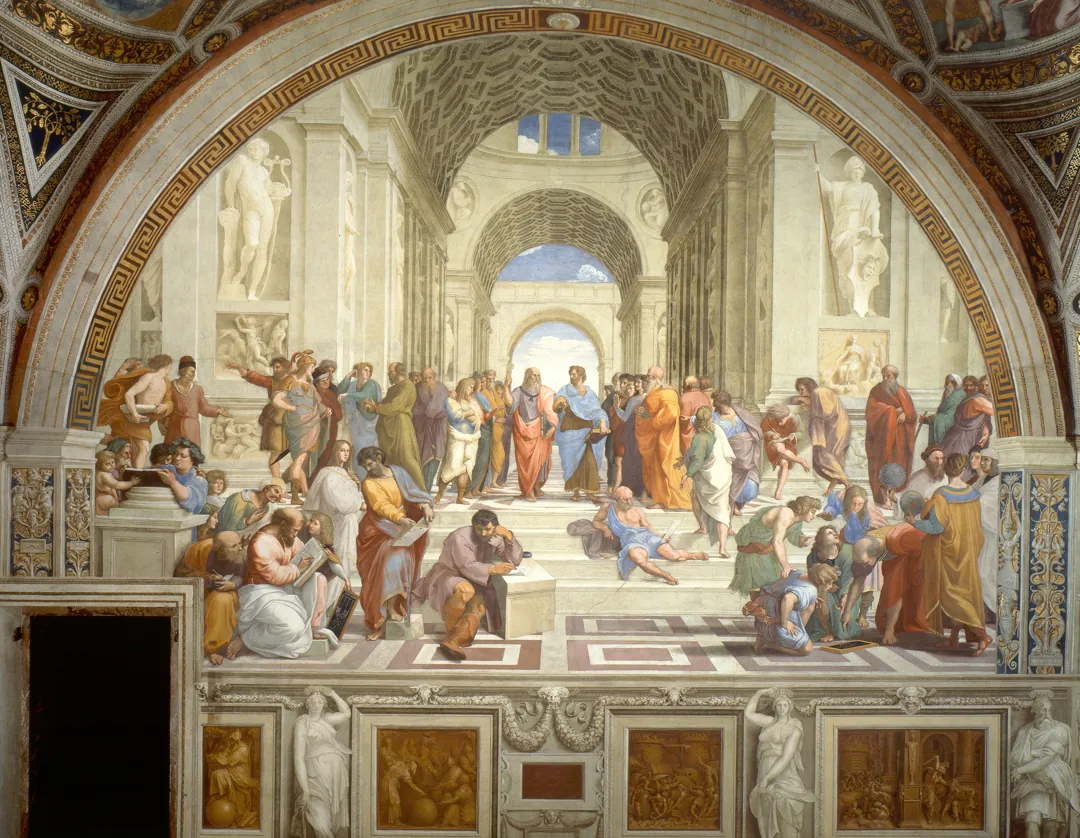
Представьте, что вы смотрите на фотографию, где всё в полном порядке. Главные герои находятся в центре, и ничто не выходит за края кадра. А теперь представьте сцену из боевика, где рука героя исчезает за границей экрана, и вы чувствуете, что действие продолжается и вовне. В этом и заключается разница между закрытой и открытой формой.
В этой статье вы научитесь распознавать эти два способа организации пространства. Понимание этого различия поможет вам смотреть на любую картину новыми глазами.
Закрытая форма: идеальный порядок
Закрытая форма передает ощущение стабильности и спокойствия. В такой композиции художник помещает все важные элементы внутри границ картины. Кажется, что ничего не упущено и ничто не может выйти наружу.
Представьте себе аккуратно организованную коробку. У каждого предмета есть свое место, и взгляд остается сосредоточенным на центре. Художники часто используют вертикальные и горизонтальные линии, чтобы создать чувство равновесия.
Идеальный пример — «Вручение ключей» Пьетро Перуджино (1481–1482, Сикстинская капелла, Ватикан). Здесь главные персонажи расположены в центре. Архитектура на заднем плане симметрична и замыкает сцену, словно рама. Вы чувствуете уверенность, потому что всё находится под контролем.
Ключевой момент заключается в том, что закрытая форма говорит вам: смотри сюда, история заканчивается внутри этих границ.
Открытая форма: продолжающееся движение
Открытая форма разрушает границы. В таких произведениях возникает ощущение, что сцена продолжается за пределами рамы. Элементы часто располагаются вдоль диагональных линий, которые уводят взгляд вовне.
Представьте, что вы подглядываете в открытое окно. Вы видите не весь пейзаж, а только его часть. Это создает напряжение и любопытство. Произведение перестает быть изолированным миром и становится фрагментом большой реальности.
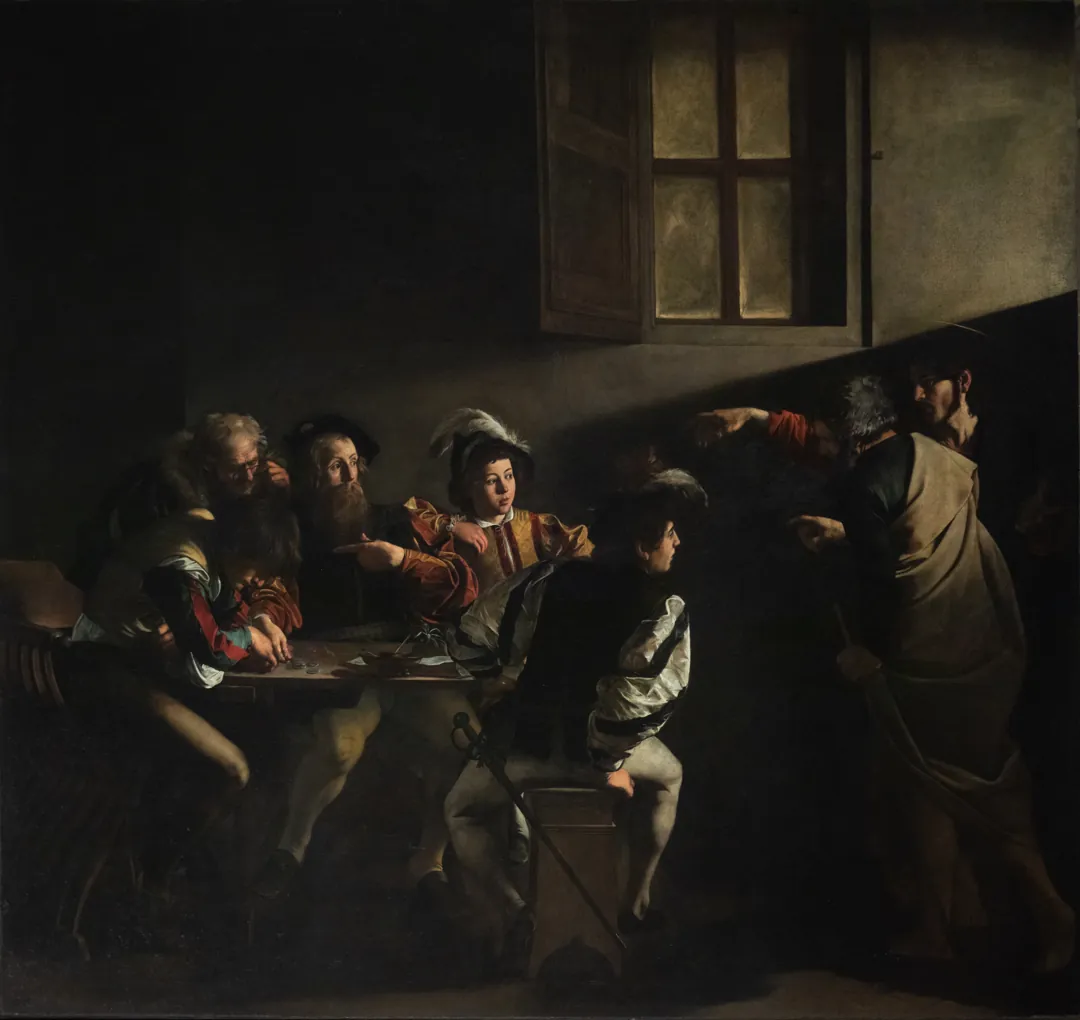
Взгляните на «Призвание апостола Матфея» Караваджо (1599–1600, церковь Сан-Луиджи-деи-Франчези, Рим). Свет падает справа, из-за пределов поля зрения, и разрезает сцену по диагонали. Некоторые персонажи будто ускользают за край картины. Здесь нет фиксированного центра — есть только движение, которое вовлекает вас в происходящее.
Открытая форма не дает окончательных ответов, а приглашает вас вообразить то, что происходит за пределами видимого.
Почему художники меняют стиль
Переход от закрытой формы к открытой — это не ошибка, а осознанный выбор. Художники Возрождения любили закрытую форму, потому что стремились к совершенству и вечной гармонии. Они хотели показать идеальный мир вне времени.
Художники барокко, напротив, предпочитали открытую форму. Они хотели удивлять, вызывать эмоции и показывать движение реальной жизни. Жизнь никогда не замирает внутри идеального квадрата.
Если вы меняете структуру картины, вы меняете её посыл. Закрытая форма транслирует покой. Открытая форма транслирует энергию и драму.
Часто задаваемый вопрос: является ли открытая форма беспорядочной?
Многие думают, что открытая форма — это результат случайности или беспорядка. На самом деле всё ровно наоборот. Проектирование композиции, которая кажется продолжающейся за пределами картины, требует высокого мастерства.
Художник должен точно решить, что «отрезать», а что оставить. Каждая диагональ продумана так, чтобы направлять ваш взгляд в определенную сторону. Это не хаос, а иной порядок, имитирующий свободу природы.
Что стоит запомнить
Умение смотреть на произведение искусства — это навык, который можно тренировать. В следующий раз, когда окажетесь перед картиной, попробуйте задать себе эти вопросы:
- Все ли персонажи находятся в центре или кто-то «обрезан» краем картины?
- Основные линии прямые, как сетка, или наклонные, как стрела?
- Чувствую ли я, что сцена заканчивается здесь, или она продолжается в соседней комнате?
Распознавание структуры — это первый шаг к пониманию того, что автор хотел заставить вас почувствовать.
Примените это на практике прямо сейчас
Вы познакомились с методом. Теперь закрепите его на деле.
Упомянутые произведения
Примените на практике
Вы прочитали метод. Теперь потренируйте взгляд на реальных примерах.
Попробовать квиз ArtwithWhy