Как становились художниками со времен Возрождения и позже
Сегодня, если вы хотите рисовать, вы покупаете краски в магазине и начинаете писать на холсте. В эпоху Возрождения все было иначе. Становление художника было долгим и трудным путем, во многом похожим на обучение плотника или кузнеца. В этой статье мы узнаем, как рождался мастер искусства и как его роль менялась со временем.
Мастерская как школа жизни
В эпоху Возрождения живописец не работал в одиночестве. Он жил и трудился в мастерской (bottega) своего учителя. Представьте себе мастерскую как большую ремесленную лабораторию, наполненную пылью, деревом и запахом масла.
Мальчик попадал в мастерскую в возрасте десяти-двенадцати лет. Поначалу он не прикасался к кистям. В его обязанности входило подметать полы, растирать пигменты для изготовления красок и подготавливать деревянные доски. Это была физически тяжелая и точная работа. Только после многих лет практики мастер позволял ему писать менее важные части картины, такие как небо или луг.
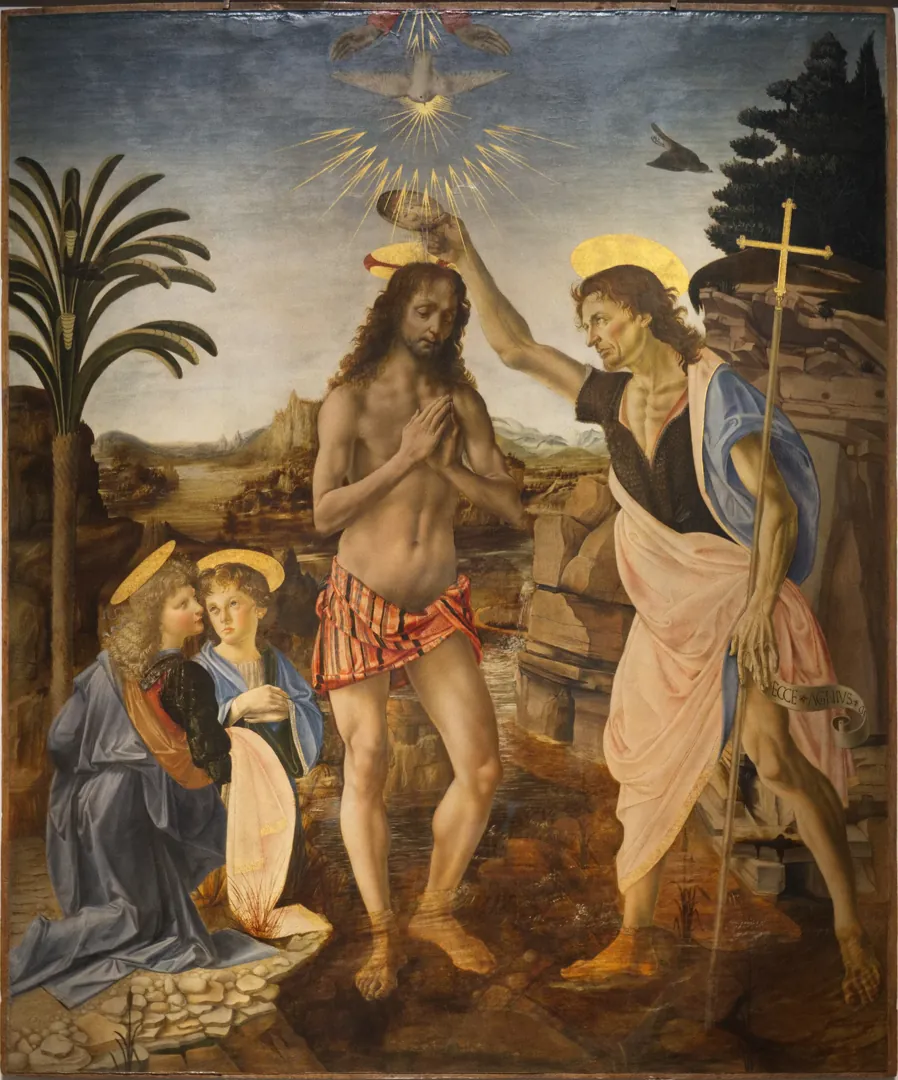
Знаменитый пример — мастерская Верроккьо во Флоренции. Именно здесь молодой Леонардо да Винчи постигал секреты ремесла. Рассказывают, что Леонардо написал ангела на картине учителя настолько прекрасно, что Верроккьо решил больше никогда не прикасаться к кисти. В мастерской учились на практике, наблюдая за работой тех, кто был опытнее.
Переход к академиям и диктат правил
С течением времени работа живописца становилась более теоретической. Между XVII и XVIII веками возникли академии. Если мастерская была лабораторией, то академия стала настоящим университетом.
В академиях студенты больше не растирали краски. Они часами рисовали гипсовые статуи и живых натурщиков. Существовали строгие правила о том, что считать красивым, а что — нет. Чтобы стать знаменитым, нужно было выигрывать призы и следовать стилю, одобренному профессорами.
Рисунок был основой всего. Считалось, что хороший живописец должен прежде всего уметь выстраивать композицию и перспективу с миллиметровой точностью. Только после овладения рисунком можно было переходить к цвету. Эта система делала художников очень подготовленными, но иногда сковывала их фантазию, так как им приходилось подчиняться слишком многим правилам.
Рынок и современный художник
В XIX веке ситуация снова изменилась. Художники начали уставать от академических правил. Они хотели писать то, что чувствовали, а не то, что приказывали профессора.
Появилась фигура современного художника, работающего в своей частной студии. Больше не было огромных мастерских с десятками помощников. Живописец создавал свои произведения и пытался продать их через арт-дилеров или на публичных выставках. Краски начали продаваться в готовых к использованию тюбиках, что позволило художникам выходить на пленэр (открытый воздух).
Примером этих перемен стали импрессионисты. Они отвергли академии и начали писать солнечный свет прямо на лугах. Они больше не ждали заказа от короля или церкви. Они писали для себя и для рынка частных коллекционеров, которые искали новизну и оригинальность.
Правда ли, что художники прошлого делали всё сами?
Многие думают, что каждый мазок на великой старинной картине принадлежит кисти знаменитого мастера. На самом деле это почти никогда не так. У великих мастеров, таких как Рафаэль или Рубенс, были десятки помощников.
Мастер определял общий замысел и писал сложные части, такие как лица и руки. Ученики дописывали одежду, фоны или животных. Это не умаляет ценности произведения. Это был способ создавать множество высококачественных картин за короткое время. Картина была продуктом команды, ведомой выдающимся умом.
Что стоит запомнить
Учиться смотреть на историю искусства — значит понимать, что картина — это еще и объект, созданный с большим трудом. Вот три момента, которые стоит запомнить:
- В эпоху Возрождения искусство было ручным ремеслом, которому учились с детства в мастерской.
- Академии превратили живопись в интеллектуальную дисциплину, основанную на рисунке.
- Современный художник родился тогда, когда живописцы начали сами решать, что и как им писать.
В следующий раз, когда вы увидите старинную картину, попробуйте поискать различия между ее частями. Возможно, вы обнаружите руку ученика, скрытую в углу.
Примените на практике сейчас
Вы ознакомились с методом. Теперь опробуйте его в деле.
Упомянутые произведения
Примените на практике
Вы прочитали метод. Теперь потренируйте взгляд на реальных примерах.
Попробовать квиз ArtwithWhy